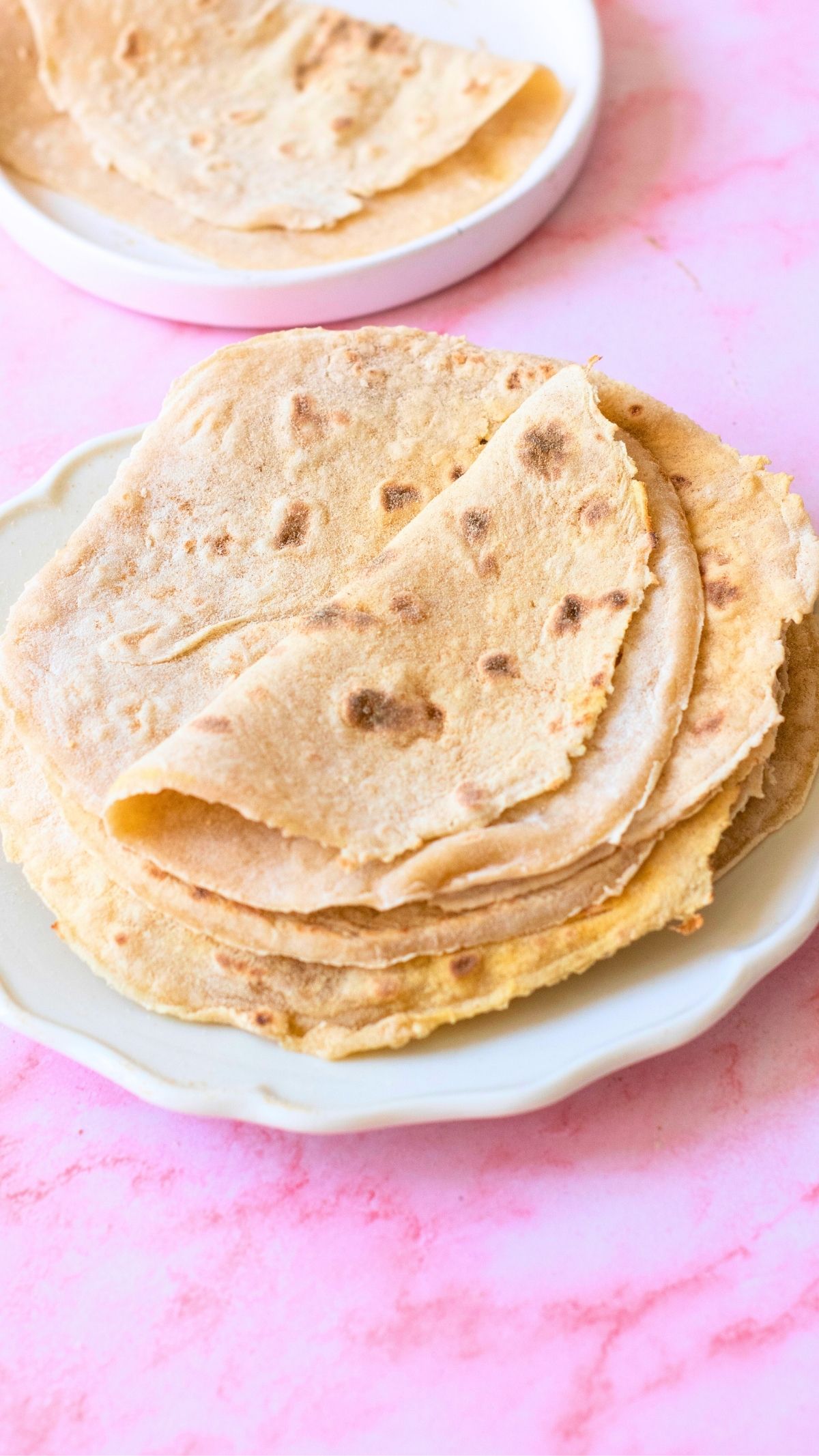
Ditch Store-Bought: Make Perfect Tortillas for Tacos, Wraps & More
Imagine biting into a warm, soft, and incredibly pliable tortilla, fresh off the pan, its subtle aroma inviting you to fill it with your favorite ingredients. Now, imagine that tortilla was made by *you*, in just about 30 minutes, using only a handful of pantry staples. This isn't a fantasy for seasoned chefs; it's the beautiful reality of making
homemade flour tortillas. If you've ever settled for the often dry, bland, and brittle store-bought versions, prepare for a culinary awakening that will revolutionize your taco nights, elevate your lunch wraps, and perhaps even spark a newfound love for scratch cooking.
The difference between mass-produced and homemade is profound. Freshly made tortillas boast an unparalleled tenderness, a delightful chew, and a delicate flavor that simply cannot be replicated by packages sitting on a shelf. What’s even better is how accessible this kitchen magic is. With just four simple ingredients – flour, water, oil, and salt – and a surprisingly quick process, you’ll be ditching those plastic bags for good, transforming everyday meals into extraordinary experiences.
Why Homemade Flour Tortillas Are a Game-Changer
Making your own
homemade flour tortillas isn't just a fun kitchen project; it's a commitment to superior taste, texture, and overall quality. Once you experience the unparalleled freshness, you'll understand why this simple addition to your cooking repertoire is such a game-changer.
Firstly, let’s talk about
taste and texture. Store-bought tortillas often have a slightly gummy or rubbery texture and a bland, almost cardboard-like flavor. Homemade versions, however, are exceptionally soft, incredibly pliable, and possess a subtle, nutty flavor that perfectly complements any filling. They have a delightful elasticity, allowing them to stretch and fold without cracking, making them ideal for everything from bursting burritos to delicate enchiladas. This superior texture is primarily due to the minimal processing and the freshness of the ingredients.
Secondly, you gain complete
control over the ingredients. No more questioning what emulsifiers, preservatives, or artificial flavors might be lurking in your food. When you make them at home, you choose the quality of your flour and oil, ensuring a cleaner, healthier product for yourself and your family. This is particularly beneficial for those with dietary sensitivities or who simply prefer knowing exactly what goes into their food.
Finally, the
versatility of fresh
homemade flour tortillas is astonishing. While they are, of course, the cornerstone of tacos and burritos, their utility extends far beyond. Transform them into crisp quesadillas, hearty chimichangas, flaky flautas, or use them as a base for quick tortilla pizzas. They make excellent sandwich wraps for lunch, or even a unique dessert when brushed with butter, sprinkled with cinnamon sugar, and lightly toasted. The possibilities are truly endless, limited only by your imagination. Plus, the cost-effectiveness of making them from scratch is undeniable; a bag of flour and a bottle of oil will yield many more tortillas than a comparable expenditure on pre-packaged ones.
The Simple Secret: Just a Few Ingredients, Masterful Results
The beauty of
homemade flour tortillas lies in their simplicity. You don't need exotic ingredients or specialized equipment. The magic truly happens with just four fundamental components, each playing a crucial role in achieving that coveted soft, pliable texture.
*
Flour: The Foundation. While many recipes call for specific types of flour, the good news is that high-quality American all-purpose flour works wonderfully. You might encounter specialty flours like El Rosal, which is favored in some authentic Mexican recipes and produces truly incredible results. However, rest assured that your standard all-purpose flour will still yield delicious, soft tortillas. The key is consistency and a good protein content that allows for proper gluten development without making the tortillas tough.
*
Water: The Unsung Hero. This is perhaps the most critical component. You *must* use very hot water – as hot as your hands can comfortably handle, but not boiling. The hot water is essential because it helps to quickly hydrate the flour, activate the gluten, and begin to "cook" the flour slightly, which contributes to the dough's immediate pliability and smoothness. This prevents a sticky, difficult-to-work-with dough and helps achieve that desired Play-Doh-like consistency right from the start.
*
Fat: For Tenderness and Pliability. Vegetable oil is a common choice, and it works perfectly to create tender, soft tortillas. The oil coats the flour particles, inhibiting excessive gluten formation, which can lead to tough tortillas. For a more traditional flavor and even softer texture, some recipes use lard or vegetable shortening. Feel free to experiment with different fats to find your personal preference.
*
Salt: The Flavor Enhancer. Don't underestimate the role of salt. It doesn't just add flavor to the tortillas themselves, but it also brightens and complements the flavors of whatever fillings you choose. A good pinch of salt ensures your tortillas aren't just vehicles for other ingredients, but delicious in their own right.
The precise ratios of these ingredients are important, but the recipe is surprisingly forgiving. If your dough feels too dry, a tiny splash more hot water will fix it. If it's too sticky, a small sprinkle of flour will bring it back into balance. This adaptability makes learning to make
homemade flour tortillas a very rewarding experience. For an in-depth guide to these essential ingredients and more, check out our article on
Easy 30-Minute Flour Tortillas: 4 Ingredients, Better Than Store-Bought.
Crafting Your Dough: A Hands-On Journey to Perfection
The process of bringing these simple ingredients together to form a supple dough is a tactile and satisfying experience. It's where the magic truly begins, transforming raw flour into the building blocks of your delicious
homemade flour tortillas.
Mixing the Dough: Aim for "Play-Doh"
Start by whisking your flour and salt together in a large bowl. This ensures the salt is evenly distributed. Next, pour in the hot water and vegetable oil. Now, dive in with your hands! Mix everything until a soft, cohesive dough forms. Your goal is to incorporate all the dry bits, leaving no loose flour in the bowl. The dough should feel warm and slightly moist.
This is the point where you might need to make minor adjustments. If your dough is too sticky and clinging excessively to your hands, sprinkle in a tablespoon of flour at a time until it's more manageable. Conversely, if it feels too dry or crumbly and won't come together, add a tablespoon of hot water at a time. The ideal texture you're aiming for is similar to Play-Doh – soft, pliable, and smooth, but not sticky. This initial mixing by hand is crucial for properly hydrating the flour and beginning the gluten development.
The Quick Knead and Rest
Once your dough has reached the Play-Doh consistency, transfer it to a lightly floured work surface. Unlike bread doughs that require extensive kneading,
homemade flour tortillas benefit from a very *minimal* knead. Knead the dough just about 10 times, or just enough to smooth out any rough patches. This quick kneading helps to develop just the right amount of gluten, which is essential for stretchy, yet tender tortillas, without making them tough. Over-kneading can lead to stiff, chewy tortillas, so resist the urge to keep going.
After this brief knead, the dough is ready to be divided. Cut the dough into equal pieces – typically 12 pieces for 8-inch tortillas, but you can adjust based on your desired size. Roll each piece into a neat ball, then gently flatten each ball into a "hockey puck" shape. This pre-shaping makes the subsequent rolling process much easier and helps ensure uniform thickness. As you work through the pieces, it is absolutely *critical* to keep them covered with a clean kitchen towel. This prevents the dough from drying out, which can lead to cracked edges and less pliable tortillas. Let the dough balls rest briefly while you heat your pan. This short rest allows the gluten to relax, making the dough easier to roll out.
Rolling and Cooking: The Dance of the Hot Comal
With your perfectly portioned dough balls ready, it's time for the final stages: rolling them thin and cooking them to perfection on a hot surface. This is where your
homemade flour tortillas truly come to life.
Mastering the Roll
Take one flattened dough ball, keeping the others covered. Lightly flour your work surface and your rolling pin. Begin rolling the dough from the center outwards, rotating the dough as you go. The key is to roll *all the way over the edges* to ensure an even thickness throughout the tortilla. If the edges are thicker than the center, they will cook unevenly and be less tender. Aim for a circular shape, about 8 inches in diameter, and strive for it to be super-thin – almost translucent when held up to the light. Don't worry if your first few aren't perfectly round; practice makes perfect, and they'll taste delicious no matter their shape!
Cooking on a Dry, Hot Pan
Now for the exciting part: cooking! Place a dry nonstick pan or a cast iron comal on medium-high heat. Let it get nice and hot before you add your first tortilla. This is crucial:
do not add any oil to the pan. Homemade flour tortillas are cooked on dry heat. The dry heat is what creates those beautiful, characteristic golden-brown char spots and allows the tortilla to puff up, indicating it's cooking through. Adding oil would essentially fry the tortilla, resulting in a different texture.
Carefully place one rolled tortilla onto the hot, dry pan. Cook for about 1 minute on the first side. You'll start to see bubbles form on the surface, and the edges might begin to curl slightly. Flip the tortilla over and cook for another 30 seconds to 1 minute, or until golden brown spots appear on both sides and the tortilla has puffed up nicely. Don't overcook them, as this can make them stiff and dry.
As each tortilla finishes cooking, immediately transfer it to a clean kitchen towel. Wrap the cooked tortillas up in the towel to keep them warm and soft. The steam trapped within the towel will continue to soften them, making them incredibly pliable and delicious. Repeat the process with the remaining dough balls, and in no time, you'll have a stack of exquisite
homemade flour tortillas ready to enjoy. For more in-depth tips and tricks to guarantee success, be sure to read our article on
Master Soft Homemade Flour Tortillas: Expert Tips & Quick Recipe.
Conclusion
Making
homemade flour tortillas is a rewarding culinary adventure that promises to elevate your meals and delight your senses. With just four simple ingredients, a minimal time commitment of around 30 minutes, and a few expert tips, you can consistently produce tortillas that are infinitely superior in taste, texture, and freshness to any store-bought alternative. From the perfect pliability for burritos to the tender bite ideal for tacos, once you experience the difference, there's no going back. So, gather your ingredients, clear your counter, and embark on this journey to ditch the store-bought and embrace the magic of homemade. Your taste buds (and your family) will thank you!